
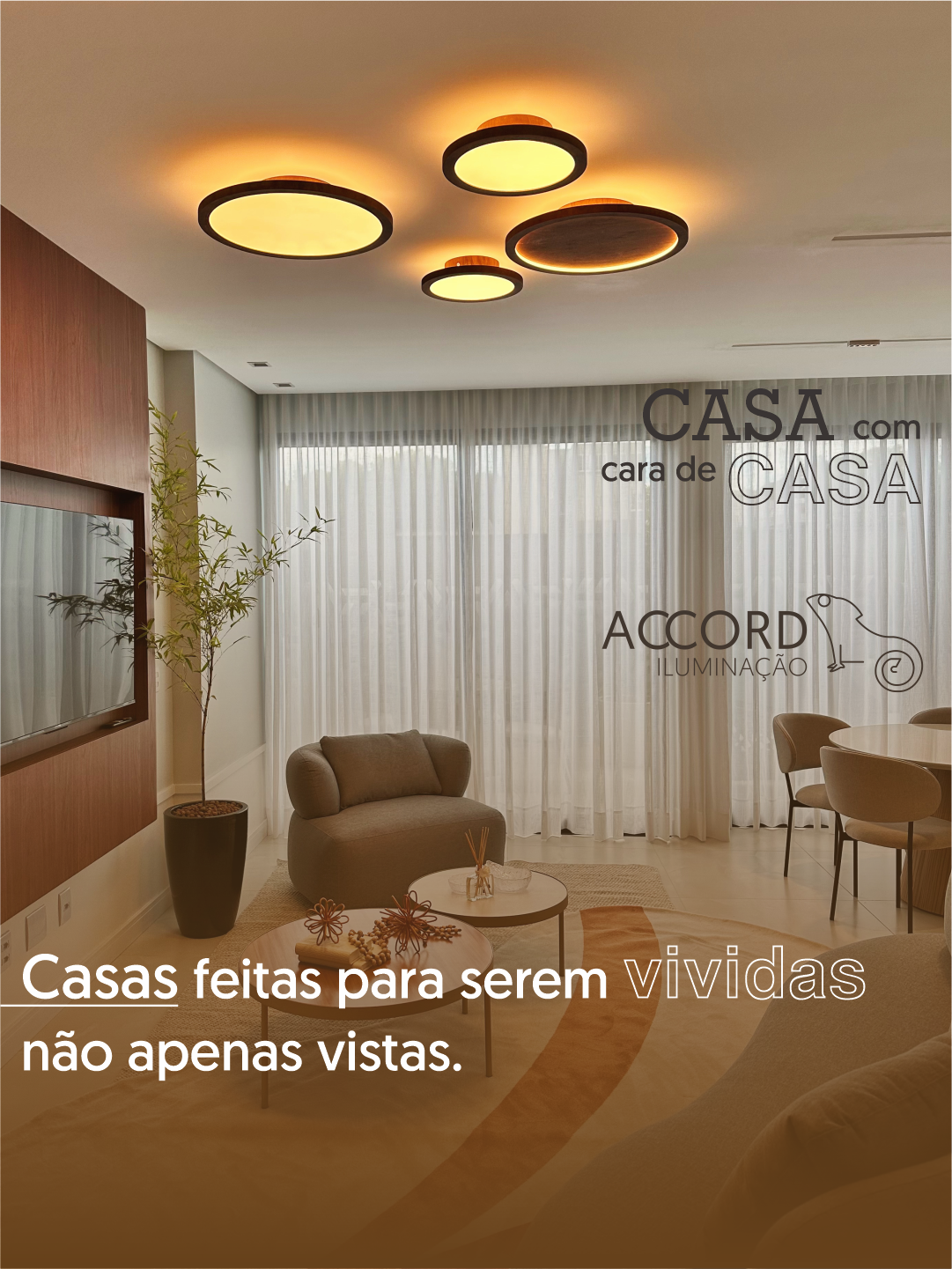
We live in a time when form has often started to speak louder than experience. Impeccable spaces, aesthetically correct, yet when actually lived in, they reveal a silent absence: a lack of connection.
It was in this context that the Casa com Cara de Casa movement was born.
More than an aesthetic response, it emerges as an emotional necessity. A call to reclaim the true meaning of living.
The excess that emptied our spaces
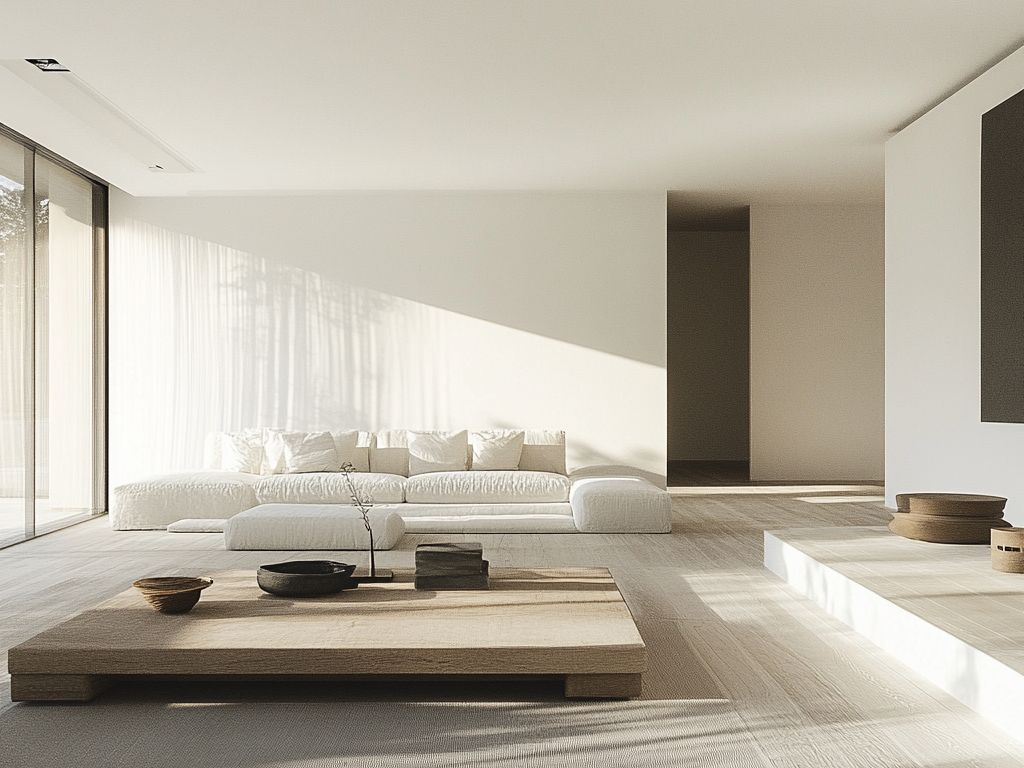
For years, minimalism dominated architecture and interior design. Clean lines, neutral palettes, the absence of excess. The message was clear: less is more.
And, in fact, this movement brought important advances — visual organization, aesthetic clarity, and formal sophistication.
But over time, something began to be lost.
Extremely clean environments started to feel generic. Homes began to look alike. And the act of living, which should be intimate and personal, became, in many cases, merely a visual composition.
The result? Spaces that impress… but do not welcome.
The birth of a new perspective
The Casa com Cara de Casa movement emerges as a counterpoint to this excess of neutrality and detachment.
It proposes a shift in perspective: moving away from aesthetics as an end goal, and returning to experience as the essence.
Here, the objective is not merely to create beautiful environments, but spaces that generate feeling, belonging, and identity.
Homes that tell stories.
Homes that carry memory.
Homes that make you feel.
Living is a sensory experience
A home should not merely be observed â it should be lived in all its layers.
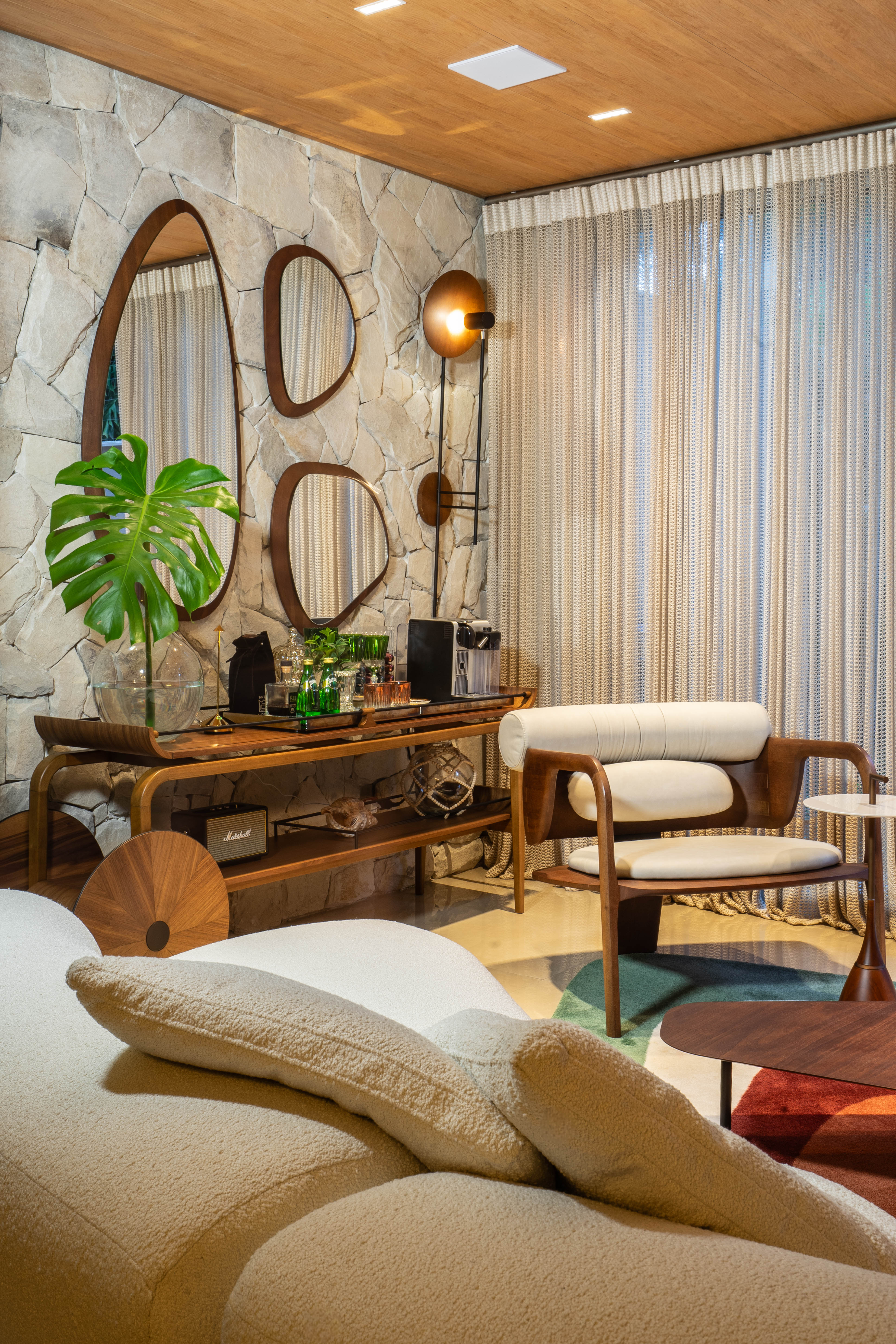
Touch, light, temperature, scents, materials. Everything communicates.
The movement values exactly this: environments that awaken the senses and create a genuine connection with those who live in them.
These are spaces that:
- welcome you the moment you walk in
- invite you to stay
- reflect the personality of those who inhabit them
It is not about following rules, but about creating meaning.
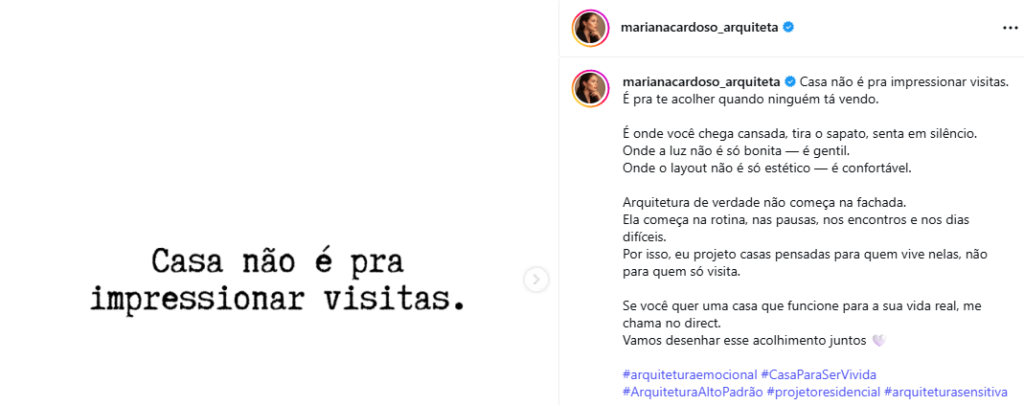
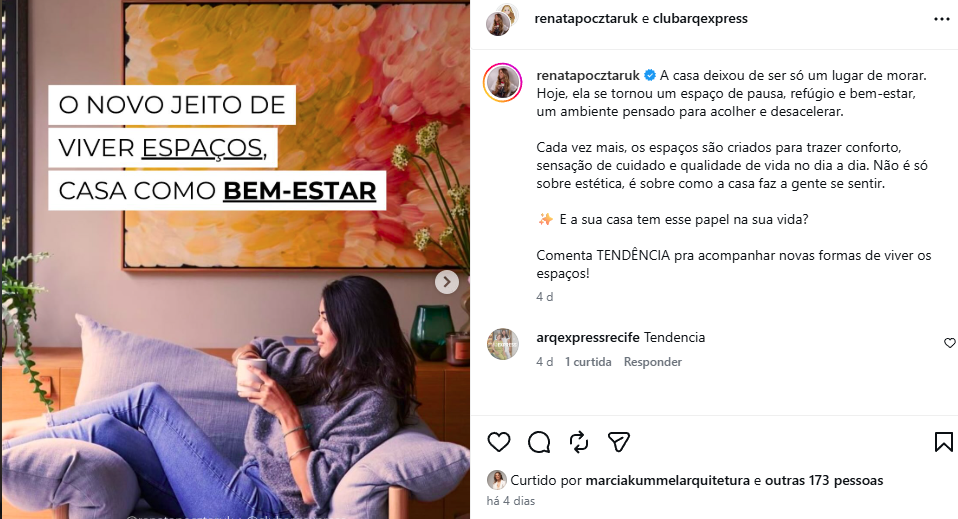
In this same spirit, Architects Mariana Cardoso and Renata Pocztaruk have been sharing several posts that align with our movement. See their full post below:
Materials with truth: the return to the natural
One of the pillars of Casa com Cara de Casa is the conscious choice of materials.
Instead of artificial, overly standardized surfaces, the movement values materials that carry history and authenticity.
Wood, natural stone, fibers, and organic elements take center stage.
These materials:
- age with beauty
- bring texture and depth
- connect the space to nature
- make each environment unique
Imperfection ceases to be a flaw and becomes a value.
It is what humanizes.
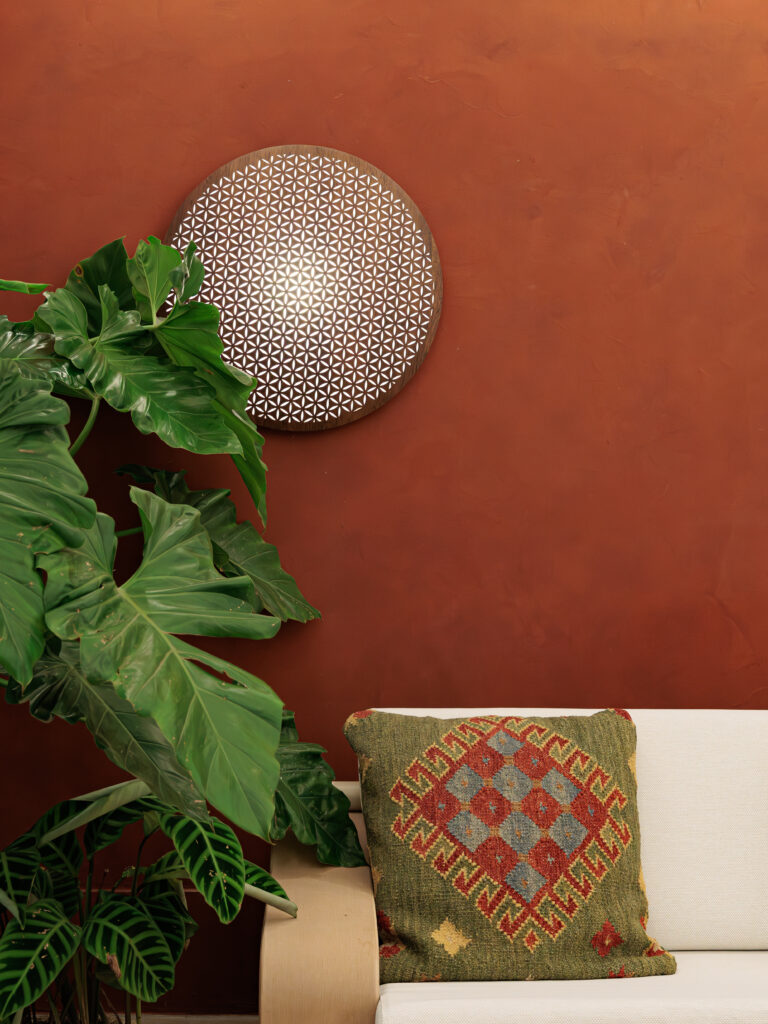
Lighting as an emotional language
If materials build the sensory foundation, light is the element that transforms the perception of a space.
In the Casa com Cara de Casa movement, lighting ceases to be merely technical and becomes emotional.
Warm, diffused, and thoughtfully designed light:
- creates intimacy
- softens the environment
- enhances textures and volumes
- directly influences well-being
It does not merely reveal the space â it defines how the space is felt.
A well-lit home is not just visible.
It is lived.
Design with purpose: the role of objects
Another central point of the movement is the reclaiming of the value of decorative objects.
For a long time, decoration was treated as excess. Something secondary.
But in truth, it is objects that bring identity.
They are the ones that:
- tell stories
- reveal choices
- create layers within the environment
- make the home unique
In Casa com Cara de Casa, every piece has intention. Nothing is random.
The milestone: Haus Decor 2026
It was at Haus Decor Show 2026, one of Latin America's leading events in architecture, design, and interiors, that Accord Iluminacao formally launched this movement.
More than presenting products, the brand used the space as a platform for reflection and positioning.
During the event â which brings together architects, designers, retailers, and professionals from across the country â the Casa com Cara de Casa concept was presented as a new perspective on contemporary living.
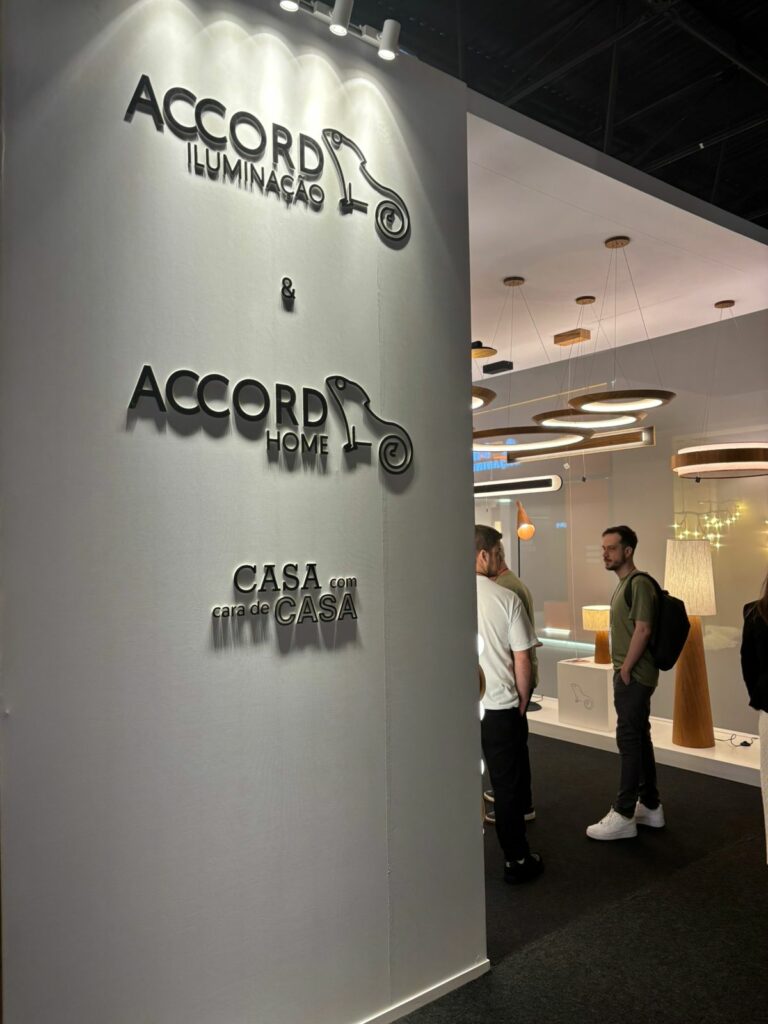
And the response was immediate.
Professionals who visited the stand recognized the movement not merely as a trend, but as a genuine need of today's market: the search for more human, sensory, and well-being-driven projects.
Accord as an expression of this movement
Accord Iluminacao positions itself naturally within this context.
Since its founding, the brand has worked with an approach that values materiality, the sensory, and design with meaning.
Wood â Accord's core raw material â carries warmth, texture, and authenticity. Natural stone veneers and other organic elements reinforce this connection to the essential.
Each product is not merely a lighting fixture â it is an element of experience.
Accord does not only create light.
It creates atmosphere.
It creates feeling.
It creates belonging.
A movement built together
Casa com Cara de Casa is not an isolated message. It is a collective movement.
It depends on all agents within the industry to gain momentum:
- Retailers, who translate this concept for the end client
- Architects and designers, who incorporate this vision into their projects
- Consumers, who begin to value feeling over appearing
The proposal is clear: to make spaces more human.
The future of living is more human
Casa com Cara de Casa is not a passing trend.
It reflects a shift in behavior.
People are seeking more than aesthetics. They want connection, comfort, and truth.
They want homes that represent who they are, not just what is currently fashionable.
More than aesthetics, a life choice
Casa com Cara de Casa is about intention.
It is choosing:
- materials that bring warmth
- light that welcomes
- design that endures
It is understanding that a well-designed space goes beyond the visual.
It transforms everyday life.
It influences mood.
It creates memories.
And above all, it makes the home return to what it should always have been:
a place to feel.
Comments (0)
No comments yet. Be the first to share your thoughts!
Leave your comment
Your email will not be published. All comments are moderated before being posted.


