
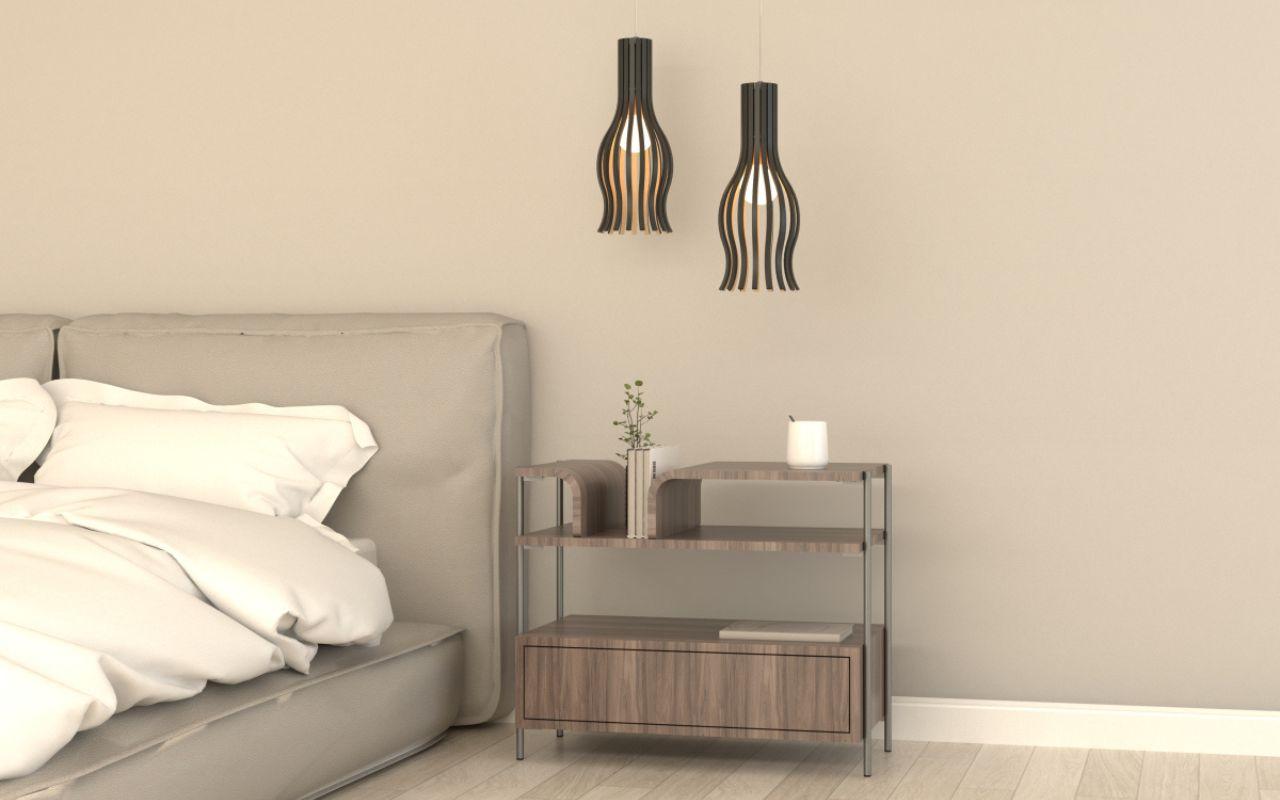
Exploring the world of furniture means diving into a universe that combines style, functionality, aesthetics, and personalization.
From choosing pieces that harmonize with the décor to selecting custom-made furniture, every element plays a vital role in creating memorable and inviting spaces.
Read on to understand how to make the best choices when evaluating furniture alternatives!
Fundamentals of furniture in interior design
Interior design is both an art and a science dedicated to creating aesthetically pleasing and functionally practical environments for those who use them.
Within this broad field, furniture largely serves as the element that defines the identity of a space.
Here are some of its main pillars:
- Aesthetics: the style of furniture can range from classic to contemporary, directly influencing the atmosphere of the space. The choice of furnishings can reflect the personality and preferences of users, as well as harmonize with other design elements;
- Functionality: in decoration, one of the focuses is meeting the specific needs of the space. However, this is not an absolute rule. There are cases where aesthetics are preferred. The best of both worlds is combining both in a flexible way;
- Sustainability: with growing environmental awareness, sustainability is becoming an increasingly crucial aspect in furniture design. This involves the use of ecological materials and manufacturing practices that minimize environmental impact;
- Flexibility and adaptability: another great idea is to adapt furniture to different layouts and functions, especially in smaller or multifunctional spaces.
Ergonomics and comfort: furniture for well-being
Ergonomics and comfort in furniture are crucial for ensuring the physical and mental well-being of users, especially when it comes to office furniture.
Ergonomic design aims to create a work environment that adapts to the user, not the other way around. This helps improve productivity and prevents discomfort that can affect the health of those who work.
Getting to know the different types of furniture
In the universe of interior design, a variety of furniture plays distinct roles, defining the purpose and style of each environment.
Domestic, corporate, commercial, children's, and other types of furniture are carefully thought out and selected for each space.
Learn more about some of them:
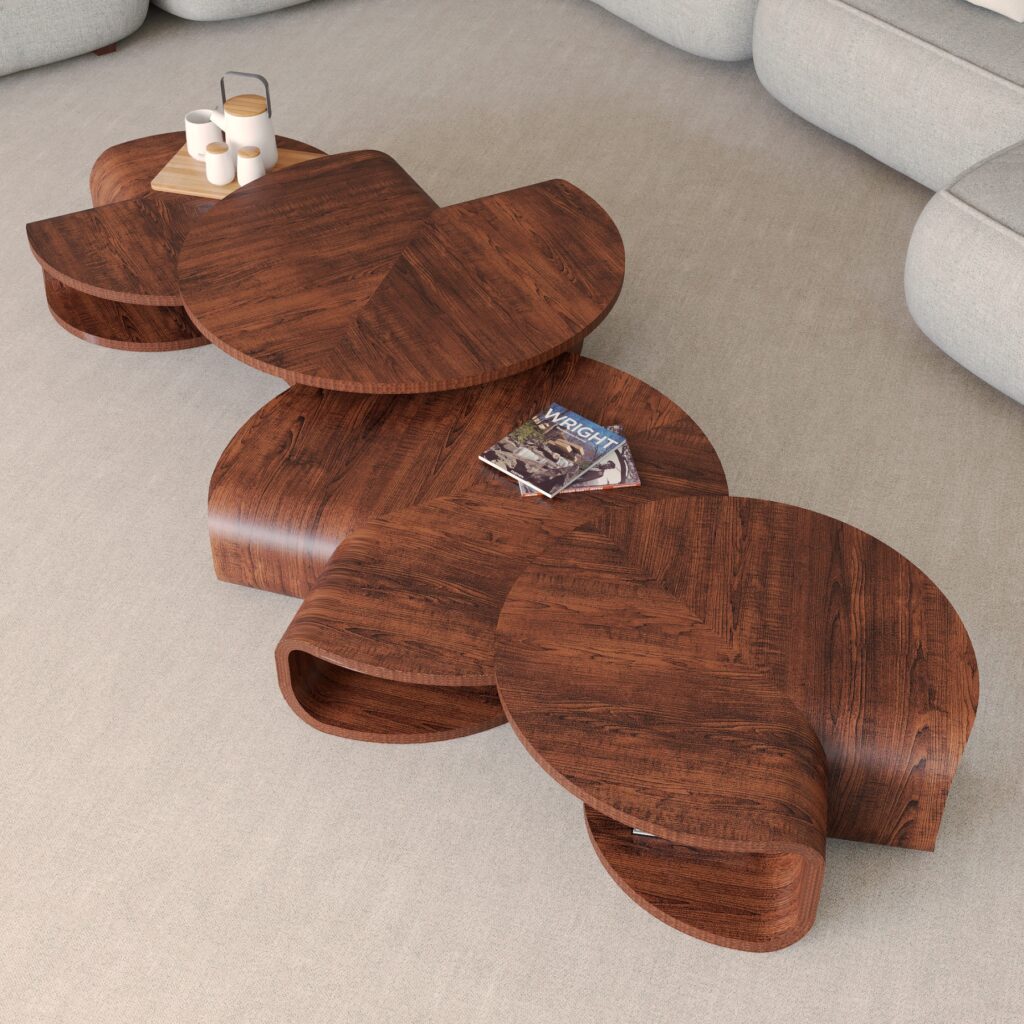
Coffee table
The coffee table is a centerpiece in living rooms, offering functionality and aesthetics. Usually positioned in front of the sofa, it serves to support drinks, books, or as a decorative focal point.
The design of the coffee table tends to vary widely, reflecting the style of the environment and the needs of the users.
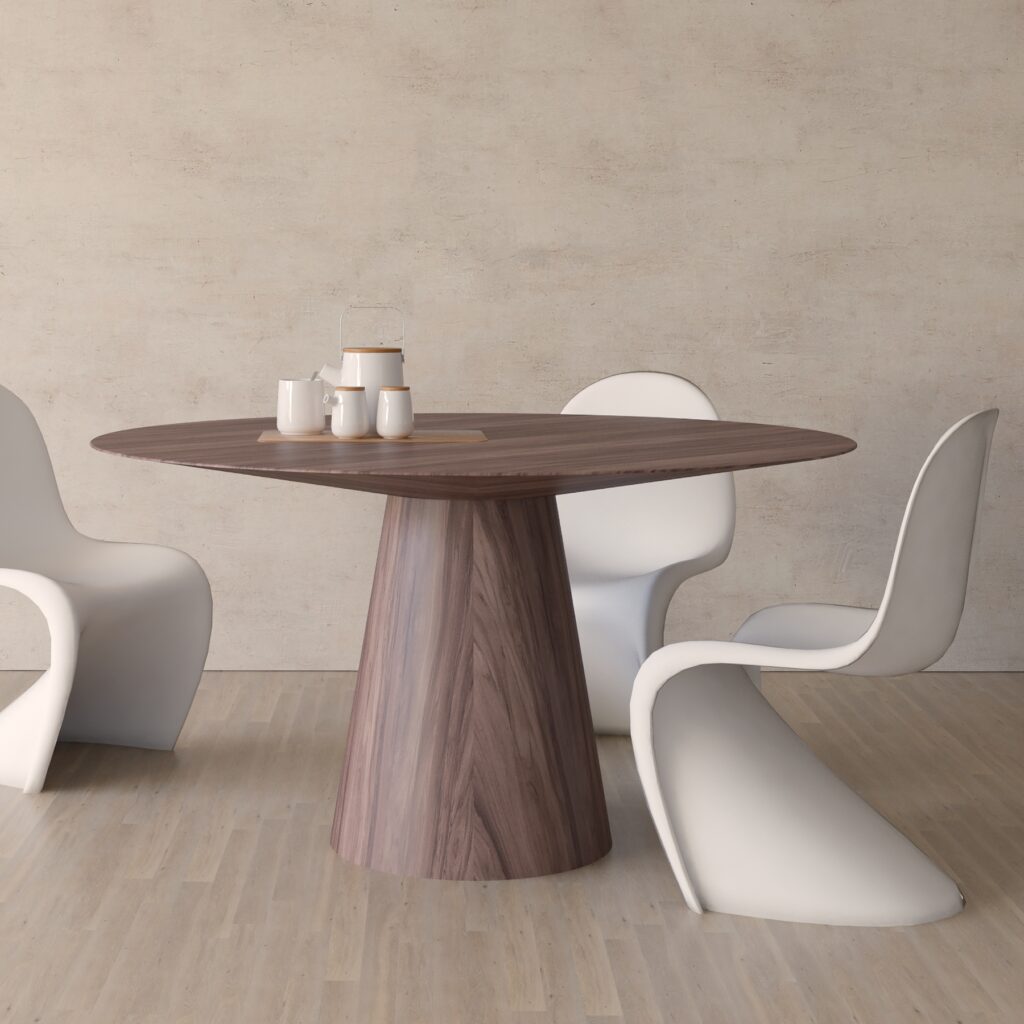
Dining table
The dining table is the heart of the dining area, whether in a domestic setting or in commercial spaces such as restaurants.
This piece is not only a place for meals, but also a gathering point for socializing.
The size and style of the dining table depend on the available space and the number of people it needs to accommodate.
Bedside table
Important in bedrooms, the bedside table offers convenience and functionality, acting as support for items such as lamps, alarm clocks, and books.
Usually positioned beside the bed, these tables are frequently chosen to complement the bed and the overall bedroom style.
Side table
Side tables are versatile pieces, used in various rooms of the house.
They are smaller and easy to move, serving as additional surfaces to support objects in living rooms, bedrooms, or even offices.
The design of these tables varies, from simple styles to more decorative pieces.
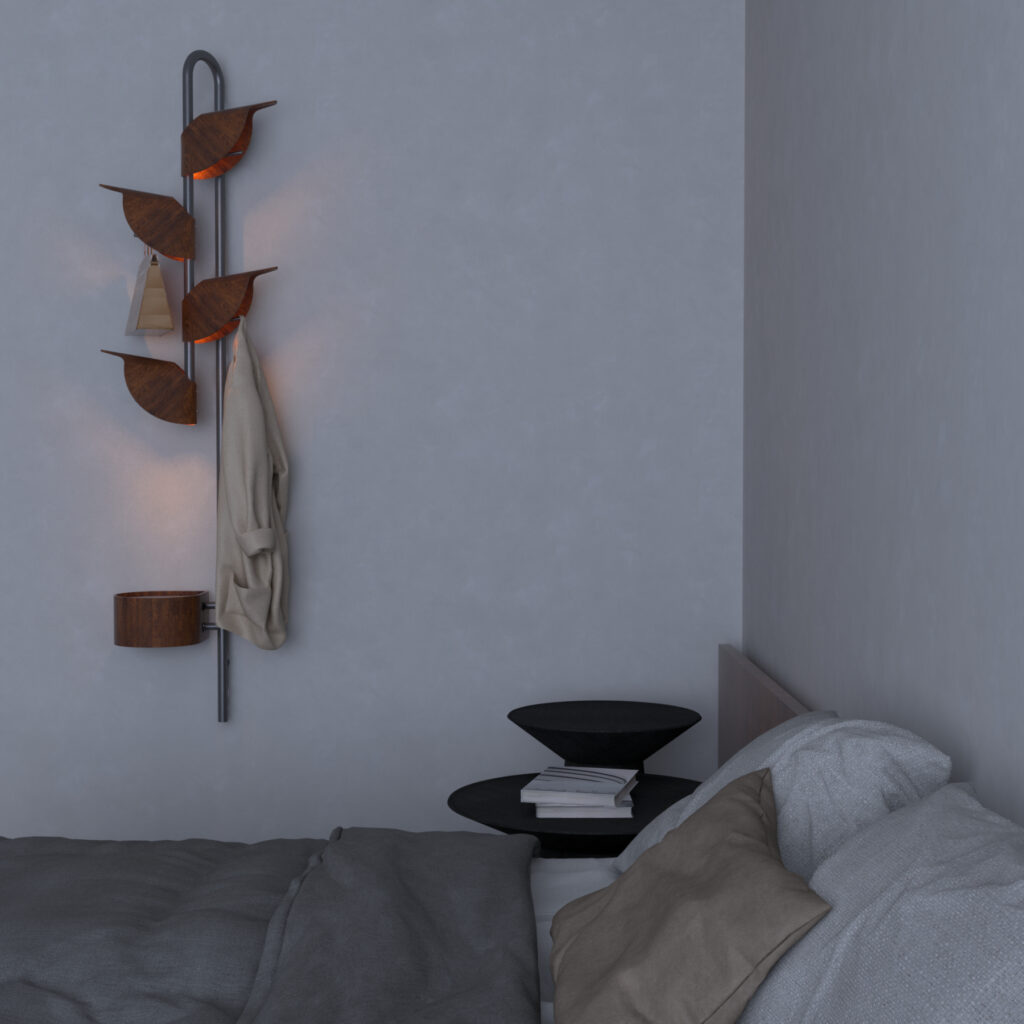
Valet stand
The valet stand is a practical furniture item, especially in bedrooms and entryways. It is important as a support for clothes, hats, and accessories, keeping them organized and easily accessible.
Valet stands can be found in more classic or more creative designs. In some cases, they resemble true sculptures, like those in our Caeté line.
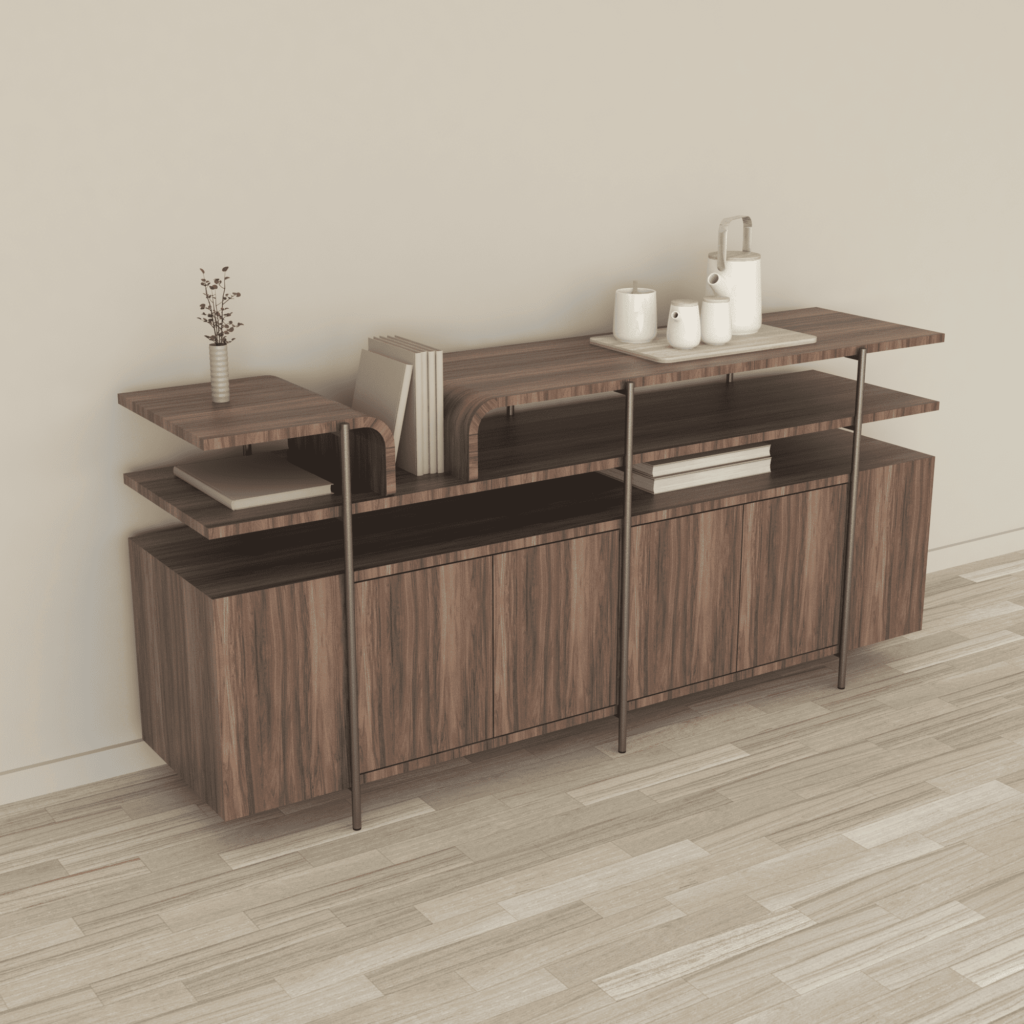
Sideboards and buffets
Sideboards and buffets are common pieces in dining rooms and living areas.
They offer additional storage space for items such as crockery, cutlery, and tablecloths, and are also used to display decorative items.
A recommendation is to align the style of these pieces with the overall theme of the environment, to ensure a certain visual coherence.
Design and trends in interior furniture
In the world of interior design, furniture trends are constantly evolving, reflecting changes in aesthetic preferences, functional needs, and technological innovations.
At the same time, choosing timeless pieces is an interesting path if your desire is to ensure that spaces maintain their relevance and beauty over time.
Here is a more detailed description of each of the trends we consider most relevant:
- Awareness of sustainability and environmental preservation: As mentioned at the beginning of this text, there is a growing interest in furniture produced in a sustainable manner, using recycled materials or from certified sources. Accord's operation, for example, has IBAMA certification and all suppliers hold the FSC seal;
- Multifunctional design: in response to urban lifestyles and smaller spaces, multifunctional furniture that can be transformed or adjusted for different uses is on the rise;
- Minimalist aesthetics: simple lines, pure forms, and a neutral color palette remain popular, reflecting a desire for calm and excess-free spaces;
- Focus on quality and durability: high-quality, well-made furniture tends to be more timeless. Invest in pieces that are durable and well-built;
- Customization: choosing furniture that can be personalized or that has a unique character helps create a space that remains relevant and personal over time;
- Biophilic design: this trend focuses on the connection with nature. It includes the use of natural materials such as wood and stone, and elements that evoke the environment, such as plants integrated into the furniture;
- Sculptural design: furniture that functions as works of art, with unique and expressive shapes, is gaining popularity.
Harmonizing furniture with the rest of the décor
Creating a cohesive environment where furniture complements other design elements is key to creating a harmonious and visually pleasing space.
This involves considering the colors, styles, textures, and scale of the furniture in relation to the other aspects of the room.
Color and texture considerations
Using the color of the furniture to complement the overall palette of the space can be a great choice. If the walls and floor have neutral colors, furniture in different tones can make excellent focal points.
For a softer look, furniture in tones similar to the dominant colors in the environment, especially when it comes to neutral colors, creates a sense of continuity and lightness.
Textures also play an important role. Mixing different textures, such as wood, metal, and fabric, can add depth and visual interest to the space.
Style consistency
It is important to maintain a consistent style in every detail of the space.
An environment with an eclectic mix of styles can be attractive, but requires a careful balance to avoid a cluttered and confusing look.
If the space has a defined style, such as contemporary or minimalist, choosing furniture that follows this aesthetic ensures a cohesive appearance.
Proportion and scale
Furniture should be proportional to the size of the space and in harmony with other elements.
Large furniture in small spaces makes the environment feel cramped and hinders the flow of people, while small furniture in large areas can look lost or without prominence.
Considering the scale of furniture in relation to the space and other objects is therefore very important.
Tips for making the best decision when choosing furniture
Here are some practical tips for choosing the ideal furniture for your decorating project, regardless of the type of environment. These general tips also summarize what has already been covered in this content:
- Consider quality and durability;
- Check proportion and scale;
- Think about flexibility;
- Harmonize with the style of the environment;
- Incorporate personality;
- Pay attention to comfort;
- Consider trends, but prioritize the timeless;
- Set a conscious and realistic budget.
Decorating each space with style and personality!
As we conclude our journey through the world of furniture, it becomes clear how each piece can transform an environment, combining style, personality, and functionality.
We invite you to explore Accord's furniture catalog, in which each piece reflects a commitment to excellence in design and quality.
Discover how Accord furniture will transform your spaces, whether in residential, commercial, or corporate projects! Visit our website to explore a range of options that promise not only to complement, but also to enhance the beauty and exclusivity of any environment.
Comments (0)
No comments yet. Be the first to share your thoughts!
Leave your comment
Your email will not be published. All comments are moderated before being posted.


