
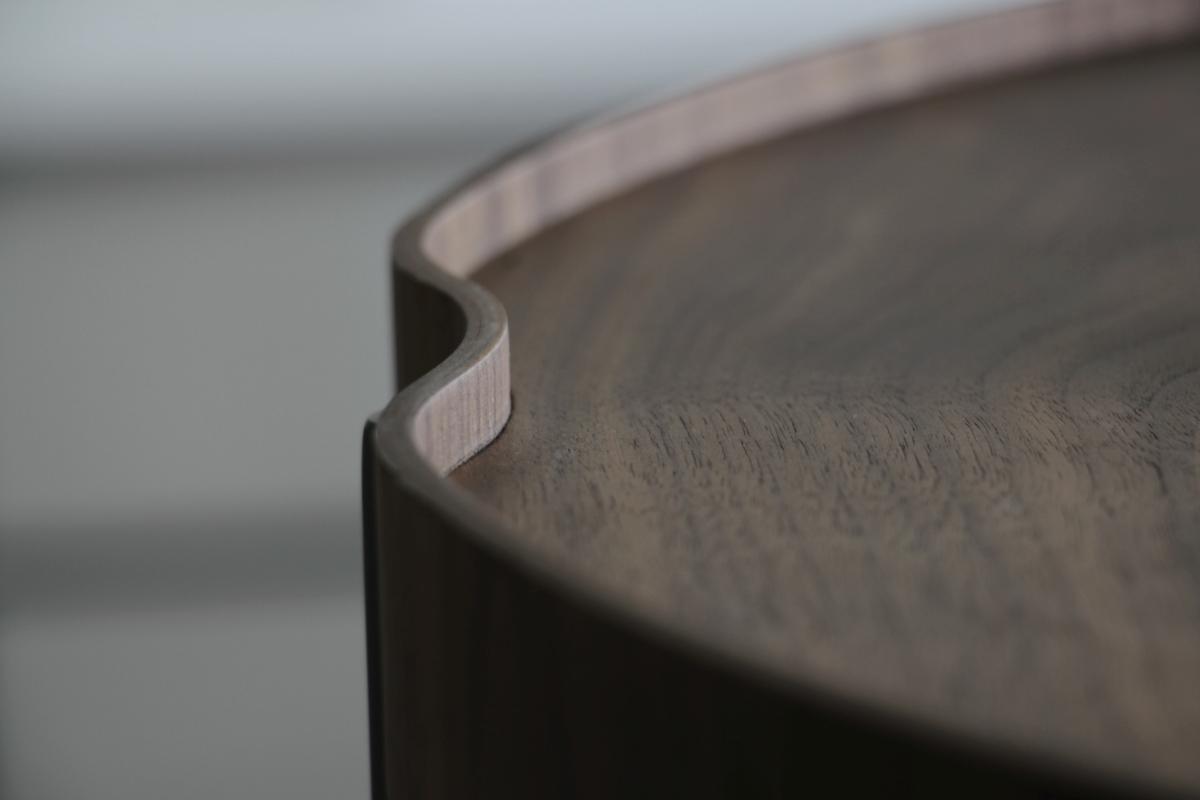
Have you ever thought about how furniture can completely transform an environment? Furniture design is not merely a matter of aesthetics, but a fusion of art and functionality that defines many aspects of the spaces we live in.
To fully understand its importance, it is necessary to delve into its fundamentals and explore its evolution throughout history.
In this content, you will learn everything about this concept and its importance in the context of design and interiors.
Let's get started! Enjoy the read!
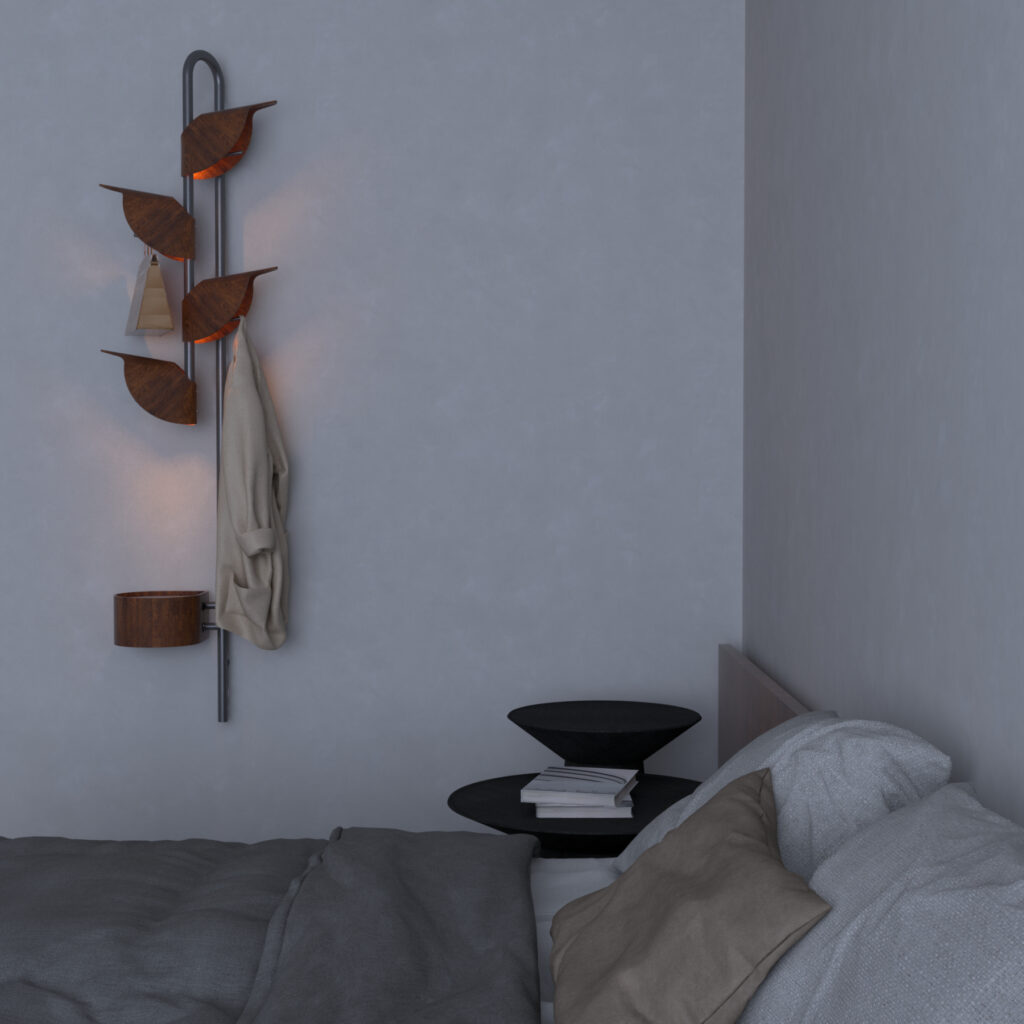
Furniture design: a brief overview
Furniture design is the art of creating pieces that go beyond practical utility — that is, they also seek to express a differentiated aesthetic concept and, whenever possible, a unique one.
It is fundamentally grounded in the harmonious combination of form and function, aiming to meet the practical needs of the space's users while also visually enriching the environment.
Aesthetics and usability are two pillars that coexist and are inseparable in furniture design. How a piece of furniture integrates into a space, its ergonomics, and its response to the everyday needs of the occupants must all be considered.
In this way, furniture design goes beyond creating objects — it transforms them into pieces that actively interact with the environment and the people within it.
Speaking historically, its trajectory reflects social, technological, and cultural changes over the centuries.
In the early days of humanity, simplicity and durability were characteristics that also reflected the scarcity of resources and the need for practicality.
Over time, the Renaissance brought a renewed appreciation for ornamentation and elegance, while the modernist movement of the 20th century embraced functionality as its primary value.
Today, furniture design incorporates a blend of styles and influences shaped over time. This variety caters to the diverse tastes of society while also reflecting the culture of a country, for example.
As a specific example, Brazilian design is present in some way in all major global markets.
Also read: Accord luminaires receive the iF Design Award 2023 seal
What does a furniture designer do?
A furniture designer is qualified to create and develop furniture pieces, considering aesthetics, functionality, ergonomics, specific objectives, cost-effectiveness, and design trends. They are involved in stages ranging from product conception through to production and final quality analysis.
To this end, the furniture design professional carries out activities such as:
- Research: it is necessary to research the main market trends, which include colors, materials, sustainability, changes in customer needs, technologies, etc.;
- Project management: the creation of a furniture item can be seen as a project, with sequential stages;
- Prototype creation: before taking the furniture to its destination — that is, to buyers — it is important to create prototypes to validate the idea, test functionality, and ensure ergonomics;
- Alignment with manufacturers: another important activity for the furniture designer is collaboration with manufacturers, to make sure the furniture is produced in accordance with what was planned in the project.
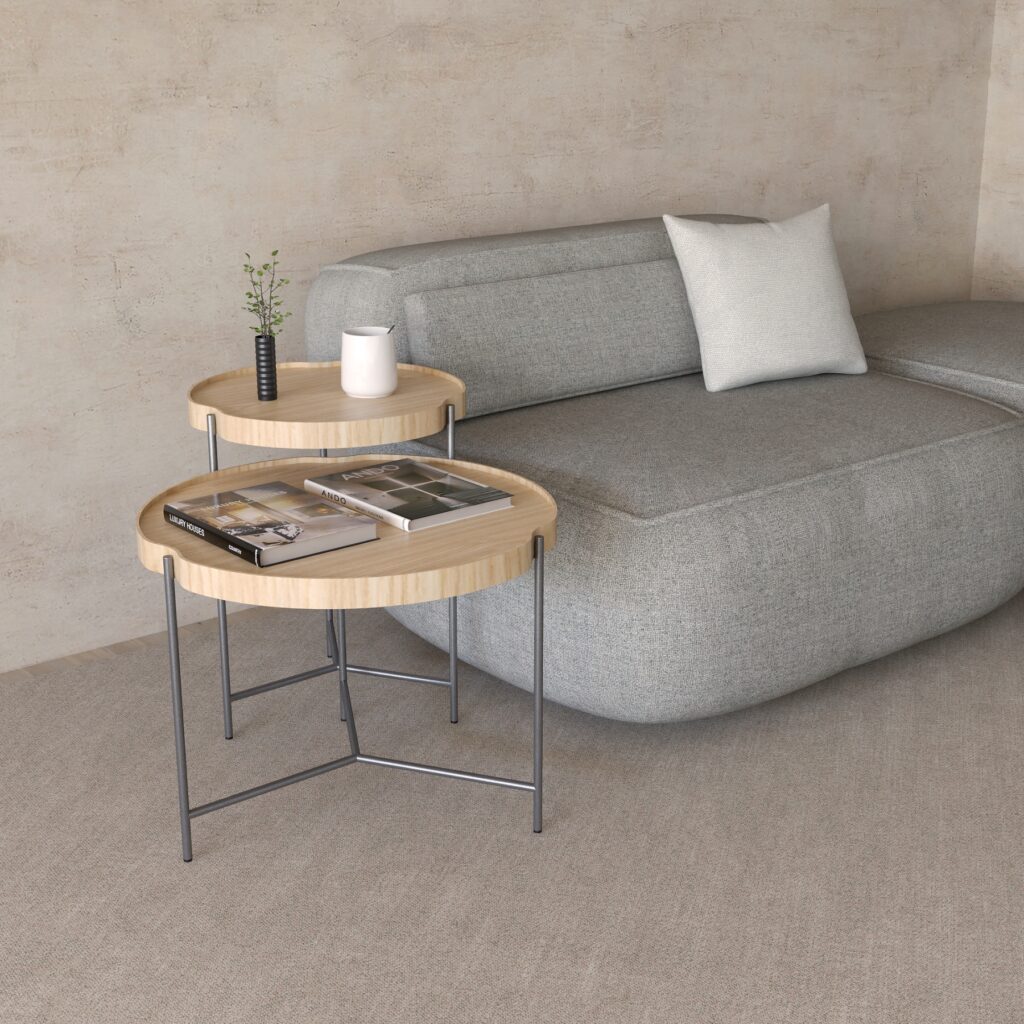
The role of furniture design in decoration
As you have seen, furniture design creates environments that reflect the style and personality of the space, while also driving trends in interior decoration.
From classic furniture to contemporary innovations, each piece contributes to the creation of a space more adapted to those who will occupy it.
The fusion of current styles and the experimentation with materials, for example, promote an interesting diversity and a contemporary spirit.
Furniture that incorporates design elements from different eras and cultures is increasingly popular and creates eclectic and personalized environments.
On the other hand, the ergonomics of furniture provides greater comfort and can be a priority for many people.
Adopting clean and minimalist lines makes environments more aligned with contemporary spaces, while opting for retro-style furniture can create a decoration more suited to vintage enthusiasts, for example.
The fact is that furniture design offers personalized options and the creation of unique pieces. The variety of available styles allows consumers to choose the furniture that best aligns with their aesthetic preferences and ways of life.
This harmony between personal style, décor, and functionality also integrates perfectly into everyday life. Furniture that balances elegance with practicality is used to create more authentic spaces that reflect the personality of their users.
Sustainable design and innovation in furniture
Sustainable furniture design is a conscious response to the environmental challenges we face. This involves carefully considering every stage of the lifecycle of a piece of furniture, from the selection of materials to disposal.
In this scenario, designers are exploring new horizons and innovating with eco-friendly materials and practices to create furniture that, in addition to adorning spaces, also respects the environment.
The search for eco-friendly alternatives is driving the furniture industry toward more ethical and responsible practices.
Here are some examples of these actions:
- The use of sustainable materials, such as certified wood, bamboo, and recyclable plastics, reduces the ecological footprint of furniture production;
- The reuse of existing materials and the practice of upcycling, which transforms old furniture into contemporary pieces.
Innovation in sustainable design also manifests in the experimentation with new materials and manufacturing processes, such as:
- The incorporation of biodegradable and low-environmental-impact materials, which reduce waste and optimize production;
- A preference for manufacturing techniques that minimize energy and natural resource consumption;
- The use of industrial and agricultural waste in manufacturing, which reduces the amount of waste discarded and promotes authenticity in design.
The commitment to eco-friendly practices also involves responsible production management, since the type of material used is a factor that can bring sustainability to your project. Quality materials are more durable and require less replacement.
In this regard, Accord, for 25 years, has been an example of a company that uses raw materials responsibly, working with quality wood from sustainable and certified sources.
In addition, we embrace the Triple Bottom Line approach, with social, environmental, and economic practices aligned with the development model we believe in.
Thus, minimizing waste, efficient use of resources, and reducing carbon emissions allows manufacturers to obtain ecological certifications aimed at conserving natural resources.
It works as a virtuous cycle: this practice, in addition to benefiting the environment, adds value to the final product, since today's consumers value the origin and ethical practices behind the products they choose.
By choosing more sustainable furniture, consumers actively contribute to building a more balanced and planet-respecting world.
The use of technology and the future of furniture design
From digital manufacturing to the incorporation of augmented reality (AR) for project visualization, technology has been redefining furniture creation processes and the customer experience.
Here are the main uses and influences of technology in furniture design:
- Customization: designers have the freedom to experiment with shapes, textures, and structures that would be difficult to achieve with traditional methods;
- Flexibility: it promotes the creation of exclusive furniture adapted to the specific needs of clients;
- AR tools: augmented reality allows customers to virtually visualize how the furniture will fit in their space, evaluating colors, sizes, and styles before purchasing. This enables better purchasing decisions and increases customer satisfaction.
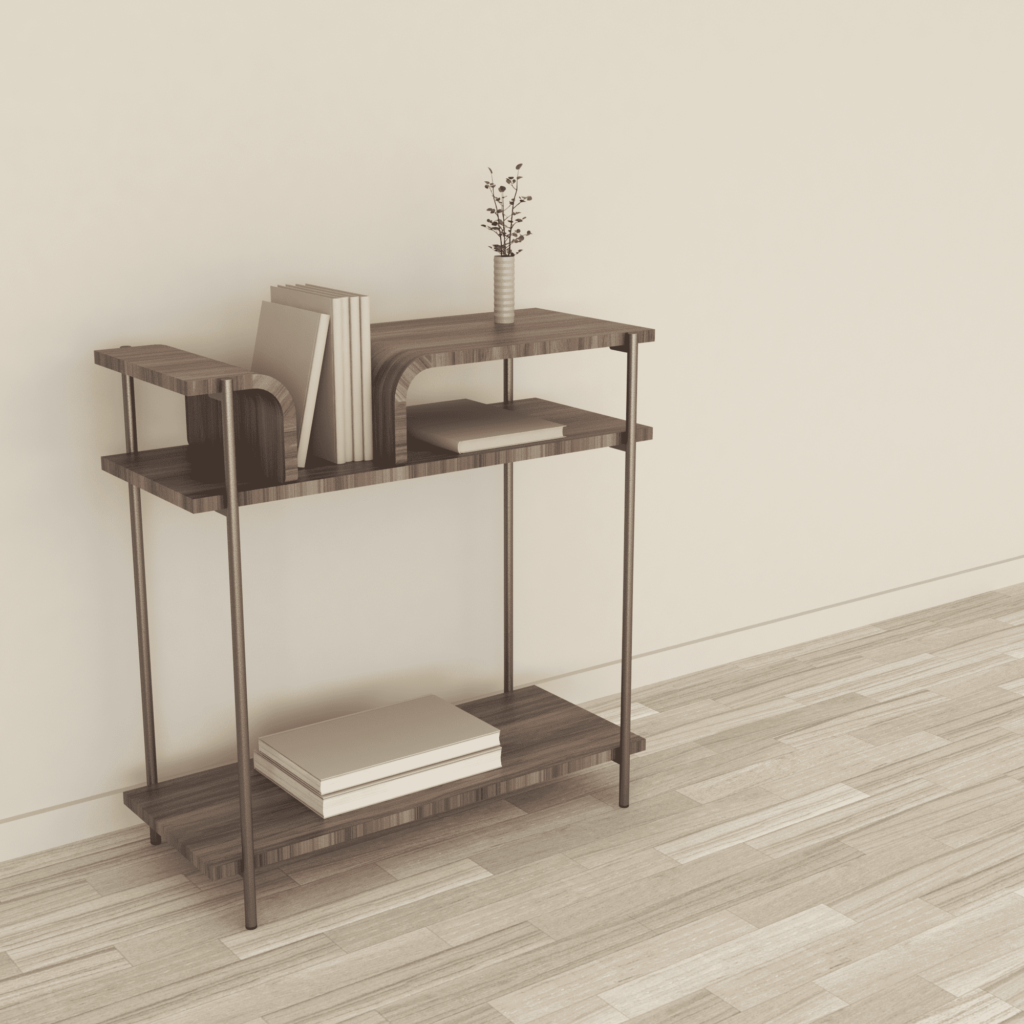
Transform your furniture with Accord!
From its simple and practical origins to contemporary and innovative expressions, furniture design brings together art and functionality and transforms spaces.
When it comes to decoration, it becomes evident how it defines environments and drives trends. The combination of furniture creates more adaptable, exclusive, and personalized spaces.
Furthermore, constant innovation in sustainable design adds authenticity to the pieces and reflects a commitment to preserving the planet.
Thus, the fusion of human creativity, sustainability, and technological innovations is shaping furniture that reflects the needs and also incorporates functionalities for an increasingly advanced market.
And Accord can help you with that! Explore our catalog and transform your projects with furniture that tells stories.
Comments (0)
No comments yet. Be the first to share your thoughts!
Leave your comment
Your email will not be published. All comments are moderated before being posted.


